
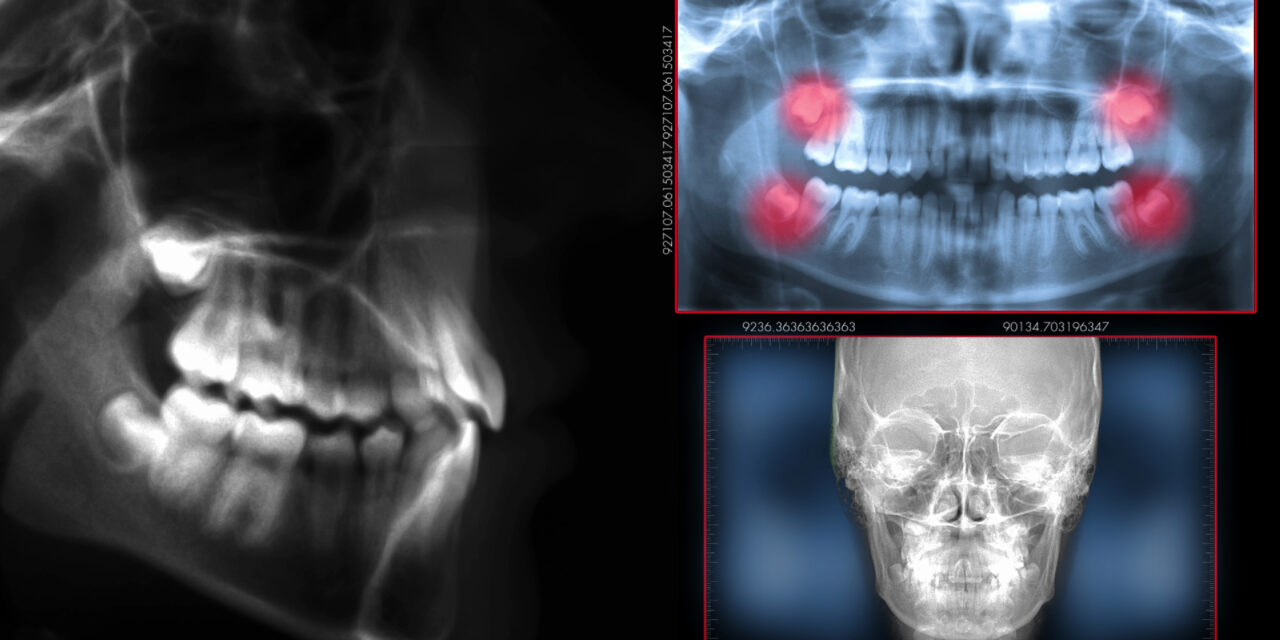
The American Dental Association has urged federal agencies to address the lack of interoperability in dental imaging, citing issues with proprietary software and data silos.
The American Dental Association (ADA) has submitted formal comments to the US Department of Health and Human Services (HHS) and the Office of the National Coordinator for Health Information Technology (ONC), calling for improved standards for dental diagnostic imaging interoperability.
In its response to a federal request for information, the ADA detailed how the current dental imaging ecosystem hinders patient care and creates administrative burdens for providers. The association attributes the problems to a reliance on proprietary software formats, inconsistent implementation of the Digital Imaging and Communications in Medicine (DICOM) standard, and fragmented data exchange pathways.
Current System Creates Barriers for Specialists
The ADA notes that a lack of standardization often forces clinicians and patients to rely on manual methods, such as physical CDs, to transfer images between providers. This process can degrade image quality, strip essential metadata, and lead to repeat imaging, resulting in unnecessary radiation exposure and increased costs.
For orthodontic specialists, these limitations can directly impact treatment planning. The ADA’s comments state that orthodontists require access to full-resolution images and quantitative data, including cephalometric landmarks, angles, and linear measurements. When images are shared as compressed files like JPEGs, this critical information is often lost, compromising diagnostic accuracy.
“Proprietary software limits accessibility and interoperability necessary to coordinate patient-centered care and lack of standardization increases the cost of providing care,” the ADA wrote in its submission.
The association also explains that because dentistry was largely excluded from federal incentives under the Health Information Technology for Economic and Clinical Health (HITECH) Act, many dental systems did not adopt the interoperability standards that became common in medical systems.
ADA Proposes Policy Solutions
To address these challenges, the ADA recommended several policy actions to accelerate the transition to secure, electronic image exchange. Key recommendations include:
- Adopting ANSI/ADA Standard No 1114 for the effective use of DICOM in dentistry and ANSI/ADA Standard No 1110 for AI image analysis systems.
- Promoting policies that require open export specifications and interoperable application programming interfaces (APIs) so image data can move between systems without data loss.
- Establishing dental-specific certification criteria within the ONC Health IT Certification Program.
- Expanding the United States Core Data for Interoperability (USCDI) to include dental imaging data classes, such as CBCT scans, panoramic images, and clinical photographs.
The ADA says these changes would allow patients to electronically access and share their dental diagnostic images through certified health information technology.
“The ADA’s recommendations aim to strengthen imaging interoperability in ways that meaningfully improve the patient experience by ensuring that dental images follow patients seamlessly, support timely care, and eliminate the burden of transporting physical media,” the association concludes in its comments. “By advancing standards-based exchange and reducing the fragmentation that drives repeat imaging, we believe our recommendations will help avoid unnecessary costs for patients, providers, and the healthcare system while supporting more accurate diagnosis and better health outcomes.”
Photo: ID 69574075 | Health © Mkarco | Dreamstime.com