
From clinical clarity to cross-department alignment, practices thrive when teams communicate with purpose. A communication-first approach strengthens trust, elevates the patient experience, and drives same-day starts.
By Amy Stafford
If there is one thing I’ve learned in three decades in orthodontics, it’s this: great treatment doesn’t build a great practice—great communication does. Brackets, aligners, scanners, and AI tools may change, but patients and teams thrive on the same core needs every time: clarity, confidence and connection.
When communication is strong, treatment flows. Teams move in sync. Patients trust the process, say yes to treatment, and stay committed. When it breaks down, it shows up fast in three places: confusion, frustration, and conversion rate.
As I often say, “If communication breaks down, confidence breaks down—and when confidence breaks down, conversion follows right behind it.”

7 Common Communication Breakdowns in Orthodontic Practices
- Patients repeating their chief concerns and information after the first call
- Doctor and TC not aligned
- Finance, Scheduling, and Clinical teams using different language or timelines
- No follow-up system for pending cases
- Missed hand-offs due to lack of PRM tracking
- “We’ll call you later” instead of scheduling in-chair
- Staff guessing instead of confirming because they don’t want to “bother the doctor”
Every one of these is fixable, but only if it’s acknowledged.
Why Strong Communication Matters More Than Ever
Orthodontics is a long-game specialty. Treatment isn’t delivered in a single visit. It requires months of teamwork, consistent follow-through, and aligned messaging across clinical, admin, and financial conversations.
Patients don’t just say yes because the plan is clinically sound. They say yes because they feel informed, understood and supported by every person they meet.
That only happens when the entire team communicates with intention, not by assumption.
The Three Pillars of High-Trust Communication
1. Clinical Clarity
Strong internal communication supports strong clinical care. That looks like:
- Morning huddles that actually prep the day, not just read the schedule
- Clear hand-offs between assistants, TCs, and doctors
- Documented treatment progress and next-step alignment
- Consistent language around appliances, timelines, and expectations
If your team can’t explain the treatment plan in clear, easy-to-understand language, patients will feel unsure, and uncertainty is the fastest way to lose a start.
2. Admin + Clinical Alignment
Nothing derails trust faster than mixed messages. If the doctor says “you’re ready to start,” but finance or scheduling says “we’ll call you later,” the energy of the yes is gone.
This is where tools like a CRM become essential. They don’t just store data. They protect the hand-off between departments, prevent dropped balls, and ensure patients never have to repeat the same information.
Communication creates confidence. The CRM keeps it consistent.
3. Patient-Centered Conversation
Patients don’t remember every clinical word we say. They remember how we made them feel.
When we slow down long enough to make eye contact, restate their goals, and set expectations, we transform what could be a “medical appointment” into a trusted partnership.
That is the difference between a parent who says “we’ll think about it” and a parent who says “let’s do it.”
Creating a Communication Culture (Not Just a System)
Communication is not a script. It is a habit built into the rhythm of the practice:
| RHYTHM | PURPOSE |
| Daily huddle | Prepare and connect before patients arrive |
| Weekly case or TC sync | Align on pending starts and priorities |
| Monthly all-team meeting | Improve systems and training together |
| Quarterly reset | Refresh workflows, messaging, and goals |
The goal is not more meetings. The goal is more alignment.
Leadership Sets the Tone
Teams repeat what leaders model. If the doctor rushes, skips hand-offs, or avoids tough conversations, so will the team.
Leaders who build communication-first cultures:
- Share decisions instead of holding them privately
- Offer clarity instead of letting people guess
- Encourage questions instead of punishing mistakes
- Celebrate progress as loudly as they correct problems
When people feel heard, they perform better. When they perform better, patients feel it.
Measuring the Impact
Stronger communication isn’t just “nice to have.” You can see it in:
- Higher same-day start rates
- Fewer emergency visits
- Shorter treatment times
- Lower staff turnover
- Higher Google reviews
- Better patient compliance
- Fewer billing or scheduling errors
If you want to measure the health of a practice, look at the quality of its conversations.
Where to Start
If communication feels off in your practice, don’t overhaul everything at once. Start small:
- Improve the doctor-TC briefing
- Reinforce the hand-off into finance and scheduling
- Document conversations inside the CRM
- Restate patient goals in every visit
- Train your team to listen without rushing
Small shifts compound fast. Great practices aren’t built on big moments, they’re built on hundreds of aligned conversations.
Technology will keep evolving. AI will keep advancing. But there will never be a tool that replaces a team that communicates clearly, confidently and consistently. Because in orthodontics, we don’t just move teeth, we move people. And the way we communicate determines whether they move with us. OP
Photos: ID 118454296 © Viacheslav Iacobchuk | Dreamstime.com; ID 109925732 ©
Tero Vesalainen | Dreamstime.com
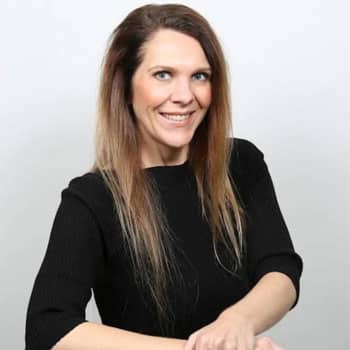
Amy Stafford, North American director for The Invisible Orthodontist, has dedicated almost 30 years to the orthodontic profession, a journey that began as a part-time summer job and grew into a lifelong passion. Stafford’s career has spanned roles from traveling nationally as a software and team trainer to in-practice positions as a records assistant, clinical assistant, treatment coordinator, marketing director, and leadership positions in management and business development. She was named SureSmile Treatment Coordinator of the Year and earned Disney Customer Experience Certification.
Read more from Amy Stafford:
- How to Build Case Studies That Showcase Your Orthodontic Expertise
- Why Operational Gaps—Not Ad Spend—Are Holding Back Your Practice Growth
- From No-Show to New Start: How Your TC Can Turn Missed Consults Into Confident Yeses
- From Click to Consult: Debunking the Myth of Google Leads
- Training the Treatment Coordinator to Guide the New Patient Journey