
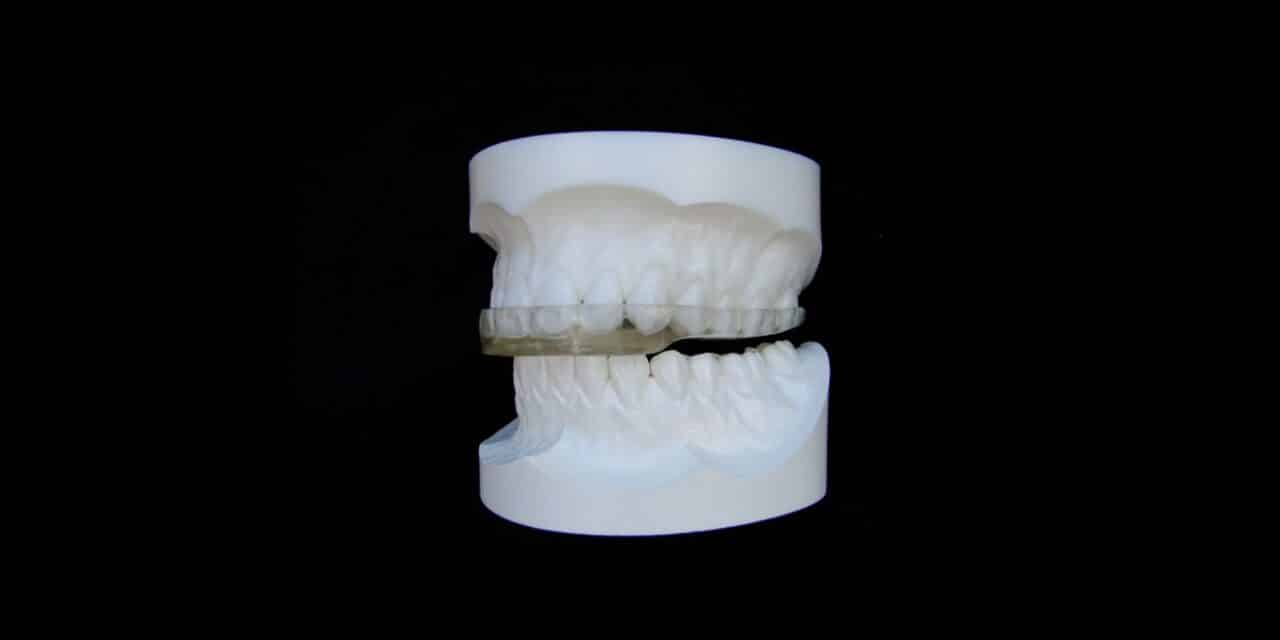
Designed to solve common fit issues, the IDS system integrates virtual design with traditional hand-finishing techniques to deliver a predictable, passive fit.
Product Overview
Inman Orthodontic Laboratories has introduced the Inman Digital Splint (IDS), a fully digital appliance fabrication process enhanced by hands-on finishing to deliver a precise, comfortable fit and eliminate manufacturing defects common in traditional splints.
The IDS system leverages a completely digital workflow—from intraoral scan to 3D-printed appliance—to solve issues of material shrinkage and warping that can cause splints to rock or fit improperly. By combining this technology with manual quality control, the lab aims to provide the accuracy of digital design with the reliability of expert technical adjustment.
“It’s digitally designed but hand articulated and tapped in for the best of both worlds,” says Jesse Inman, co-owner and digital manager at Inman Orthodontic Laboratories. “Just because it’s a digital splint doesn’t mean we treat it any less valuable. We make sure it’s the right fit every time.”
Key Features
- Fully digital design and fabricationusing intraoral scan data
- Virtual articulator mounting for precise occlusal design
- Manual articulation and hand-finishing on 3D-printed models
- Compatibility with all major intraoral scanners and digital submission platforms
- Permanent digital file archiving for each case
Key Benefits
- Provides clinical versatility for all popular upper and lower splint designs
- Eliminates warping and shrinkage for a predictable, passive fit
- Ensures accurate occlusion and patient comfort, minimizing chairside adjustments
- Simplifies the submission process for a streamlined practice workflow
- Allows for easy, discounted reordering of lost splints without a new scan
Practical Application in the Practice
The workflow for the IDS is designed for clinical efficiency. An orthodontist can submit an intraoral scan through any major scanner portal, adding prescription details to the notes section. Inman’s technicians then mount the digital models on a virtual articulator to design the splint according to the doctor’s specifications.
After the appliance is 3D-printed, it is placed on a printed model for a critical final step. A technician manually checks the occlusion, hand-articulates the splint, and makes any necessary adjustments to ensure a perfect fit before it leaves the lab, according to the company. This hybrid process is intended to deliver a final product that requires minimal to no adjustment at the delivery appointment, saving valuable chair time. This quality-first approach applies to all cases, from treating nocturnal bruxism to addressing symptoms of TMJ disorders.
Target Users
The Inman Digital Splint is designed for orthodontists seeking a high-quality, reliable occlusal splint that reduces the likelihood of remakes and lengthy adjustment appointments. It is ideal for practices that have adopted digital scanning and are looking for a lab partner that combines technological efficiency with hands-on expertise.
Support
Inman Orthodontic Laboratory emphasizes direct, personal communication and support for its clients. The company eschews automated phone systems, allowing doctors to speak directly with the technicians and managers producing their appliances.
“We’re large enough to invest in cutting-edge technology, but small enough to offer you personalized attention,” Inman explains. “You’re able to actually talk to the technicians and the managers that are producing your products. You’re not going through a lot of red tape.” This approach ensures that specific case needs and practice preferences are understood and implemented correctly.
Availability & Contact
The Inman Digital Splint is available now. To learn more, visit inmanortho.com or call 800.289.0118.
References:
- Inman Orthodontic Laboratory. Inman Digital Splint. Accessed January 19, 2026. https://inmanortho.com/wp-content/uploads/2024/07/IDS-Flyer2020.pdf
Photo: Inman Orthodontic Laboratories