
A lingering myth that Google leads are low-quality is costing orthodontic practices new patient starts, but with the right mindset and systems, these high-intent leads can become some of the most valuable opportunities.
By Amy Stafford
In today’s digital-first world, Google has become the modern-day referral source. Yet in many orthodontic offices, a lingering misconception persists among team members: that Google leads—those who find the practice through paid ads or organic search—aren’t good, quality patients who convert.
This belief isn’t just outdated. It’s costing you starts.
If someone types “braces near me” or “Invisalign for adults” into a search bar, they’re not casually browsing, they’re actively looking for a solution. And they’re not just shopping; they’re making decisions. These leads are among the most qualified your practice will encounter.
The real question is, is your team equipped to meet them with the urgency, clarity, and professionalism they expect?
In this article, we’ll unpack why Google leads are high-quality opportunities, how to reframe internal thinking, and what systems your practice needs in place to convert them consistently.
Google Intent is High Intent
Google is different from traditional marketing channels. With mailers, billboards, and radio, the audience is passive. With Google, the intent is active. When a parent searches “orthodontist for teens near me,” they’ve already identified a need. They’re taking action. That level of intent is powerful.
A well-optimized Google ad or organic search result puts your practice in front of someone ready to engage. And if you’re not the one responding with speed and clarity, another practice will be.
Myth-Busting: The Truth About Google Leads
Let’s address the top three myths:
Myth #1: “They’re just shopping for the lowest price.” Asking about cost isn’t a red flag, it’s a sign of interest. It’s your team’s opportunity to educate and build value. Transparency, helpfulness, and tone will set the stage.
Myth #2: “They’re less loyal than referrals.” Loyalty doesn’t come from how someone found you. It comes from how they’re treated when they do. Google leads may not have a personal connection yet, but they’re open to one. Showcase your exceptional patient experience no matter the referral source.
Myth #3: “They’re not serious about starting treatment.” Some are in the early research phase. Others are ready to start tomorrow. The difference? How well your team responds, educates, and guides them forward.
The Reception Team Sets the Tone
Perception drives performance. If your reception team believes Google leads are “tire-kickers,” it will show in tone, effort, and follow-through. Every lead deserves to be met with energy, empathy, and professionalism.
Key coaching points for your team:
- Ask intentional questions. “What prompted your search today?” or “Are you looking for yourself or your child?” Coach for conversation.
- Educate without assuming. Many leads don’t know the process, this is your chance to guide, not judge.
- Build trust early. A warm, confident first impression lays the foundation for loyalty and conversion.
Speed Wins: Why Fast Response is Non-Negotiable
Google leads are now leads. They often contact two to three offices in a short window. The first to respond usually wins the opportunity. Your system must support:
- Answering every call.
- Returning missed calls and texts within 10 to 15 minutes.
- Responding to web forms and chats with urgency.
- Scheduling quickly. Don’t make your new patient wait for an appointment.
Turn Clicks into Consults: Your Conversion Playbook
Success with Google leads requires alignment between your digital presence and your internal processes.
1. Your Website Should Convert, Not Just Inform
Ensure your site has:
- Clear CTAs (“Schedule a Free Consult”)
- Mobile-first design
- Fast load times
- Online booking
- Short, simple forms
2. Google Ads Should Target High-Intent Searches
Use phrases like “Invisalign near me” or “braces for teens.” Pair compelling copy with strong offers such as free consultations, same-day starts, or interest-free financing.
3. Train Your Team for Confidence and Clarity
Scripts should:
- Acknowledge where the lead came from (“I see you found us online…”)
- Offer first available appointments
- Reassure and educate clearly
- Present financial options with positivity
Example: “You’re in great hands. Dr. [Name] has helped hundreds of patients just like you. We have an appointment this week, and we offer flexible options to make getting started easy.”
Same-Day Starts = Higher Conversions
When a patient is ready to start, remove any barriers. Equip your team to offer same-day starts It reduces drop-off and speeds up decision-making.
Example: “If Dr. [Name] feels you’re a candidate, we can often begin treatment the same day. Would that be helpful?”
READ MORE: Expand Your Reach: Regional SEO Strategies for the Remote Monitoring Era
Google Reviews Are the New Word-of-Mouth
Today’s first impression isn’t your front desk, it’s your Google Business Profile. Make review requests a natural part of your process. Automate where possible and respond to every review with gratitude and professionalism.
Change the Internal Conversation
Google leads aren’t “cold.” They’re current. They’re not lower quality, they’re just newer to your ecosystem. With the right strategy and exceptional patient experience they can be some of the most rewarding and consistent new patient sources available.
Referrals will always matter. The practices that thrive are those that meet patients where they are, online, and respond with speed, clarity, and care.
It’s time to move past the myth and start mastering the moment. OP
Photo: ID 37416112 © Marcel De Grijs | Dreamstime.com
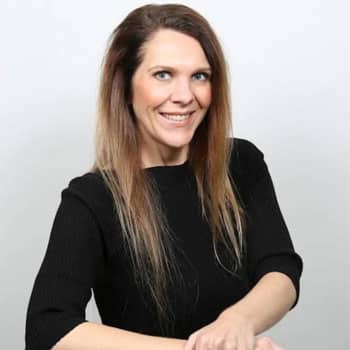
Amy Stafford, North American director for The Invisible Orthodontist, has dedicated almost 30 years to the orthodontic profession, a journey that began as a part-time summer job and grew into a lifelong passion. Stafford’s career has spanned roles from traveling nationally as a software and team trainer to in-practice positions as a records assistant, clinical assistant, treatment coordinator, marketing director, and leadership positions in management and business development. She was named SureSmile Treatment Coordinator of the Year and earned Disney Customer Experience Certification.