How one orthodontist overcame his skepticism to successfully treat severe deep bites and other complex malocclusions using SureSmile Aligners.
By Cory Costanzo, DDS, MSD
My journey into orthodontics started while working in an orthodontic office during college. I became fascinated by the science behind tooth movement and the impact our work can have on patients’ confidence and quality of life.
I have been practicing orthodontics in Fresno, California, for more than 20 years. When I took over my practice, it was primarily focused on traditional braces, with approximately 80% of my patients being children. Like many orthodontists, I began incorporating aligners into my practice around 2006. However, I only used them for relatively simple cases.
To be honest, I simply didn’t have enough confidence in the aligner system I was using at the time. Deep bite cases, significant crowding, and more complex malocclusions often led to frustrations. Cases frequently failed to track as planned, requiring refinements and overcorrections that extended treatment times and created additional work for both my team and my patients.
What was equally frustrating was the lack of support. Because I wasn’t a high-volume aligner provider, I often felt that the focus was on encouraging me to start more cases rather than helping me achieve better outcomes with the cases I already had. Many of the educational programs I attended centered around practice growth and marketing rather than biomechanics and treatment predictability. As a clinician, that left me wanting more. I wanted to better understand how to treat challenging cases, not simply how to increase production.
As a result, I became selective with aligners. Whenever I saw a patient with a moderate to severe deep bite, open bite, crossbite, or severe crowding, my instinct was to recommend braces.
Discovering a Different Approach
I first heard about SureSmile during my residency in 2004, but it wasn’t until 2015 that I really began exploring the platform, initially through indirect bonding. What immediately stood out to me was its versatility. This wasn’t simply an aligner system. It was an integrated orthodontic platform that could support indirect bonding, braces, and aligners, all within one ecosystem. I also appreciated that the software had been developed with orthodontics at its core. It felt like it had been built by orthodontists who understood the complexities of tooth movement and treatment planning.
From the beginning, I noticed a different level of support. Instead of focusing on how many cases I was starting, there was genuine interest in helping me achieve successful outcomes. The treatment planning discussions were collaborative, and I felt like I had a clinical partner rather than a simple vendor.
Becoming My Own Patient
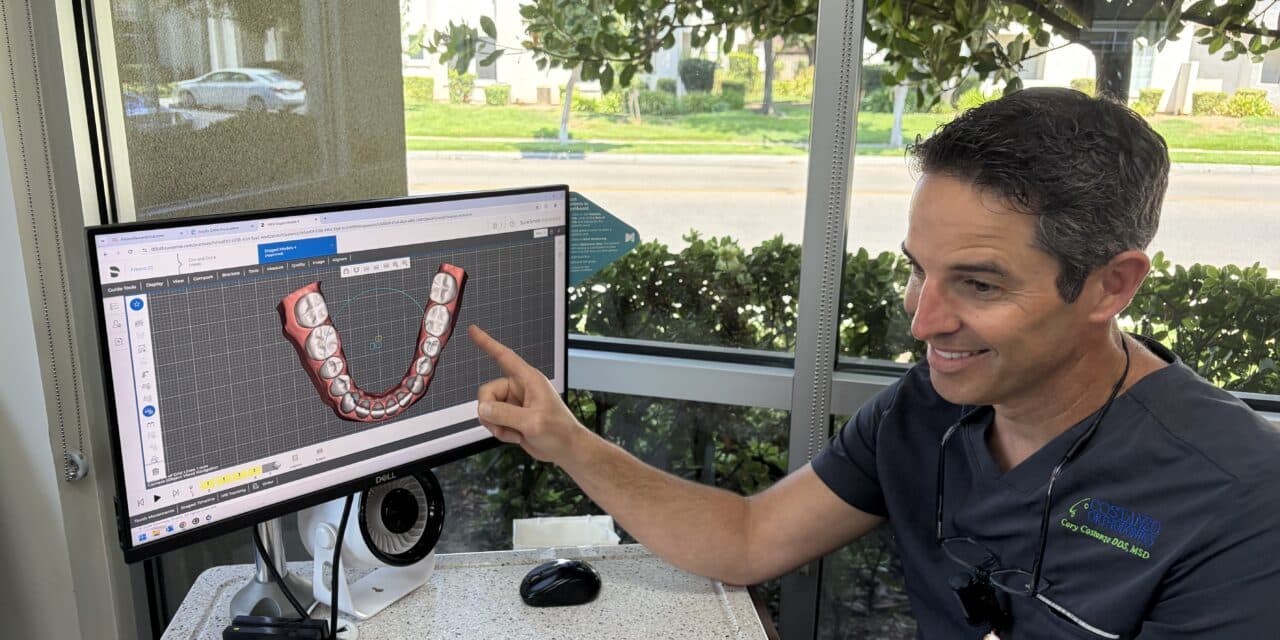
One of the biggest turning points came when I decided to treat myself with SureSmile Aligners. I had a slightly rotated lower central incisor, so using the SureSmile platform I fabricated two aligners in-office. It was incredibly easy and effective and it made me wonder if I could do more. Since learning about smile design in dental school I had been bothered by my narrow arches and wide buccal corridors. I decided to create a new SureSmile Aligner plan to expand my premolars and first molars and it worked perfectly.
Experiencing the treatment firsthand gave me a completely different perspective. As clinicians, we can evaluate software and treatment plans all day long, but there is something incredibly valuable about becoming the patient. I experienced the fit, comfort, and workflow myself.
When the opportunity arose in 2018 to beta test the next iteration of SureSmile Aligners, I jumped in. This experience gave me a level of confidence that I had not previously had. Within about a year, I had completely transitioned away from my former aligner system.
The Cases That Changed My Mind
Treating myself with SureSmile Aligners was the start, but my case was fairly simple. It was my experience treating complex cases that truly solidified my confidence. After achieving excellent results with some simple and intermediate cases, I soon found myself jumping into more difficult malocclusions including severe crowding, open bites, high cuspids, crossbites, and what I had previously considered the most difficult case type for aligners to tackle: severe deep bites.
One case in particular stands out.
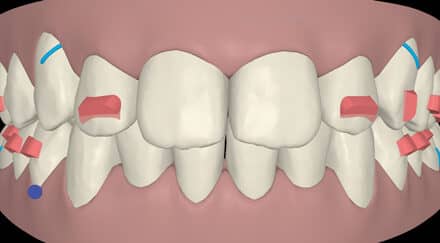
A 35-year-old male patient presented with a traumatic 10 mm deep bite, lower anterior crowding, and a buccal crossbite of both first and second bicuspids on the right side (Figure 1). Several years earlier, I wouldn’t have even considered treating this patient with aligners. However, with SureSmile’s treatment planning and advanced staging capabilities paired with the biomechanical advantages of an aligner with a straight trimline, I was cautiously optimistic that we could achieve a successful outcome.
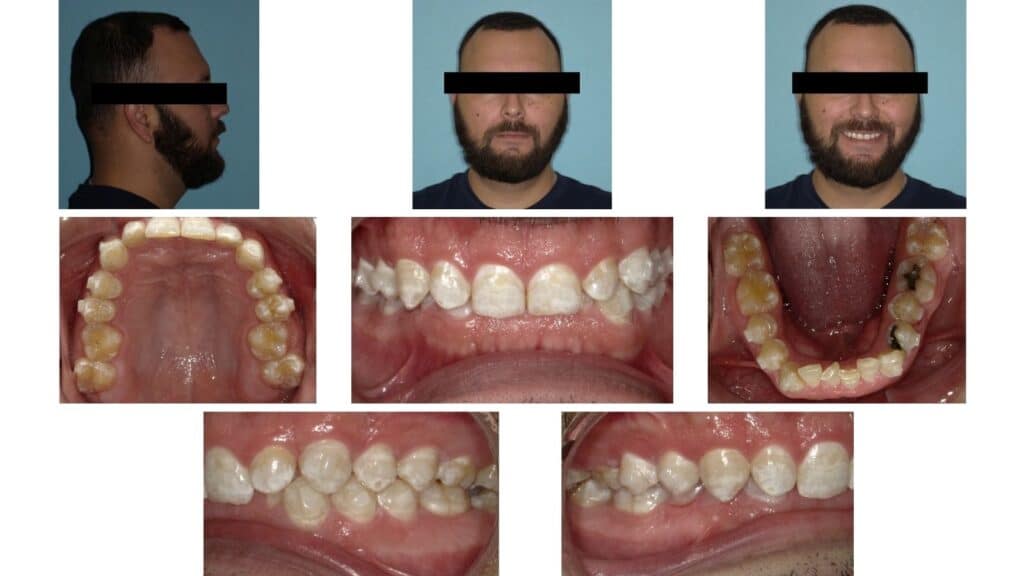
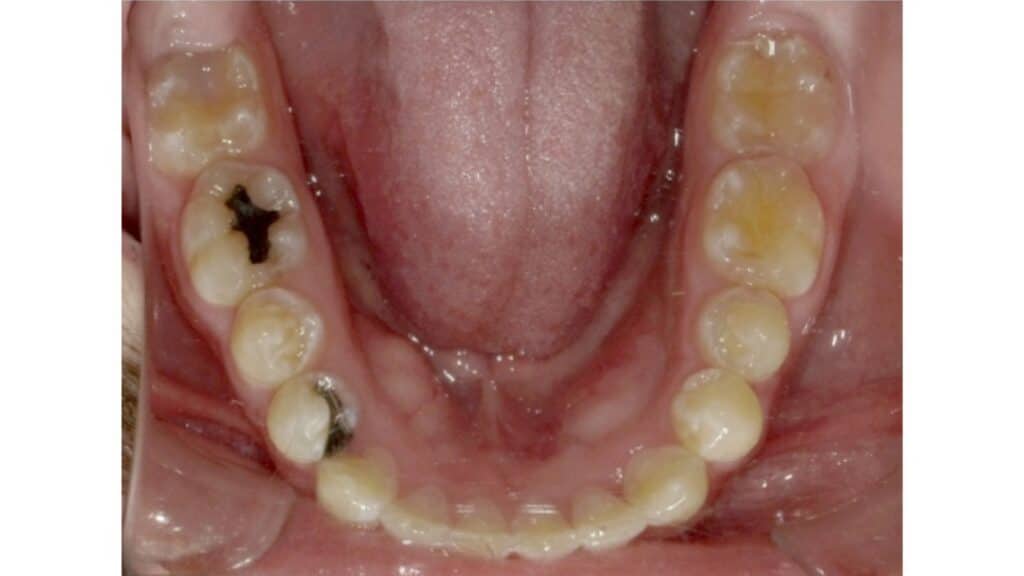
The lower arch in this case presented a difficult biomechanical dilemma. Successful treatment required significant intrusion of all 6 anterior teeth as well as the two bicuspids on the right side. Producing the intrusive force on the left half of the arch was fairly routine as I had both molars and both bicuspids as anchorage. In the right half of the arch, however, we only had two molars as anchorage. It seemed that two molars would be inadequate for intruding the right central, right lateral, right cuspid, right first bicuspid, and right second bicuspid.
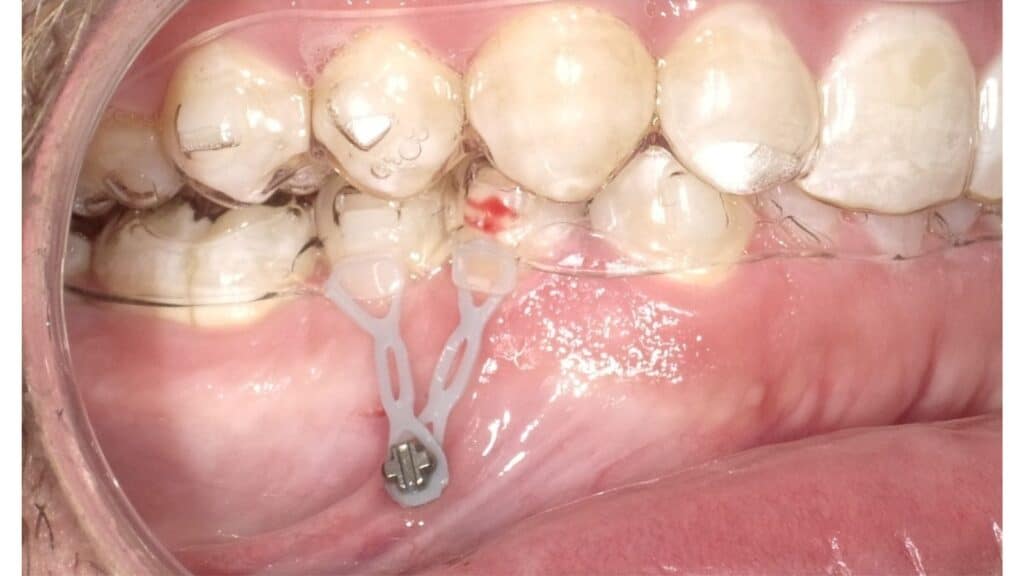
Because of my concern with inadequate anchorage, I initially placed a temporary anchorage device (TAD) to intrude the bicuspids on the right side (Figure 2). Unfortunately, the TAD had to be removed after only two weeks due to gingival irritation. At that point, I fully expected to replace it, but decided to proceed with aligner progress while waiting 8 weeks for the TAD site to heal. To my surprise, the aligners continued tracking exactly according to plan, and I never put the TAD back in (Figure 3).
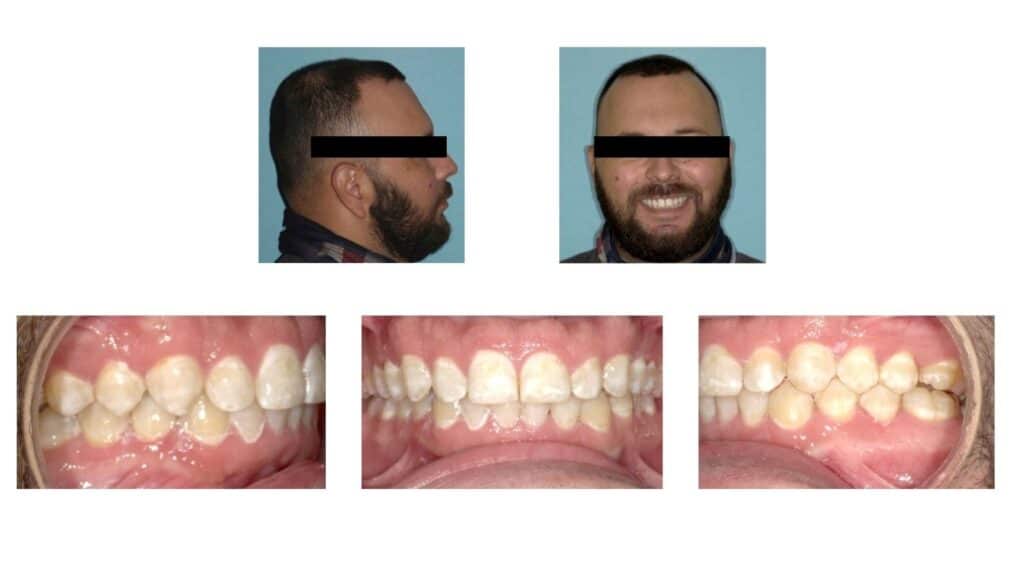
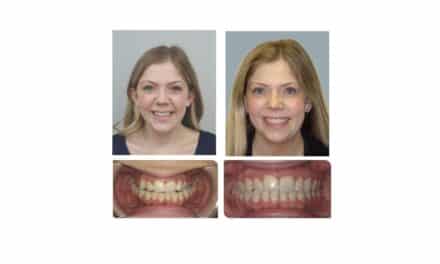
Total treatment length was 25 months (Figure 4). We did one refinement with a total of 47 aligner stages.
That was a significant moment for me. Although I was certain the anchorage would be inadequate, we received a better outcome than expected. I attribute much of the success in this case to SureSmile’s straight trimline design. The straight trimline appears to have the ability to distribute force from one side of the arch to the other. Ultimately, we completed the entire case using only aligners and attachments. No fixed appliances. No elastics.
Honestly, I would not have attempted this case with my former aligner system.
Why I Continue to Use SureSmile
Several aspects of the platform continue to stand out to me. SureSmile gives me complete control over both planning and staging of aligner treatment. The digital lab techs are excellent and help every step of the way, but the platform gives me the control to modify every aspect of treatment.
I also appreciate the software’s ability to account for gingival tissue during treatment planning, which allows for extending a straight trimline up to 2 mm apical to the gingival margin. The rigidity of a straight trimline aligner has been a game changer for both my approach to aligner treatment and for the outcome I’m able to achieve.
Additionally, the ability to export STL files for any aligner stage has created tremendous flexibility. It allows us to create aligners in-house when needed and gives us additional opportunities to evaluate and rehearse procedures before seeing the patient.
The biggest change, however, has been confidence. I no longer steer patients away from aligner treatment. Instead, I offer both braces and aligners and let the patient decide what they want. Consequently the percentage of patients I treat with clear aligners has doubled. That’s a significant shift.
Final Thoughts
If a colleague asked whether I would recommend SureSmile, my answer would be simple: absolutely.
The versatility of the platform is unmatched. It has allowed me to manage indirect bonding, customized robotically bent archwires, and aligners within one integrated system. That comes with a substantial improvement in efficiency and treatment planning. More importantly, it has given me confidence to treat more complex cases with aligners and deliver better outcomes for my patients. At the end of the day, that’s what matters most. OP
Photos courtesy of Dr Cory Costanzo.
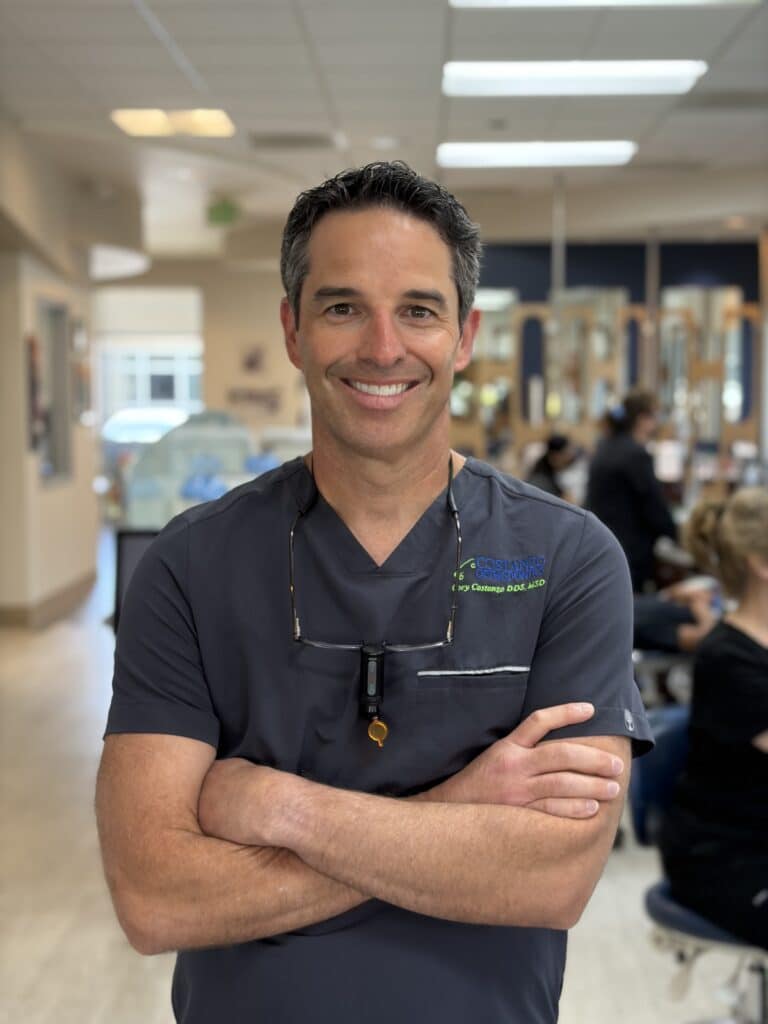
Cory Costanzo, DDS, MSD, completed his dental and orthodontic training at the University of the Pacific where he also received a Master of Science in Dentistry. Costanzo is a member of the American Association of Orthodontists, the Pacific Coast Society of Orthodontists, and the American Dental Association, and he is a past president of the Fresno – Madera Dental Society. He is a clinical assistant professor in the orthodontic department at the University of the Pacific Dugoni School of Dentistry. Costanzo is also a Diplomate of the American Board of Orthodontics and owns a private practice in Fresno, California. He lectures on a variety of topics including digital indirect bonding, optimized retention, and clear aligner therapy.