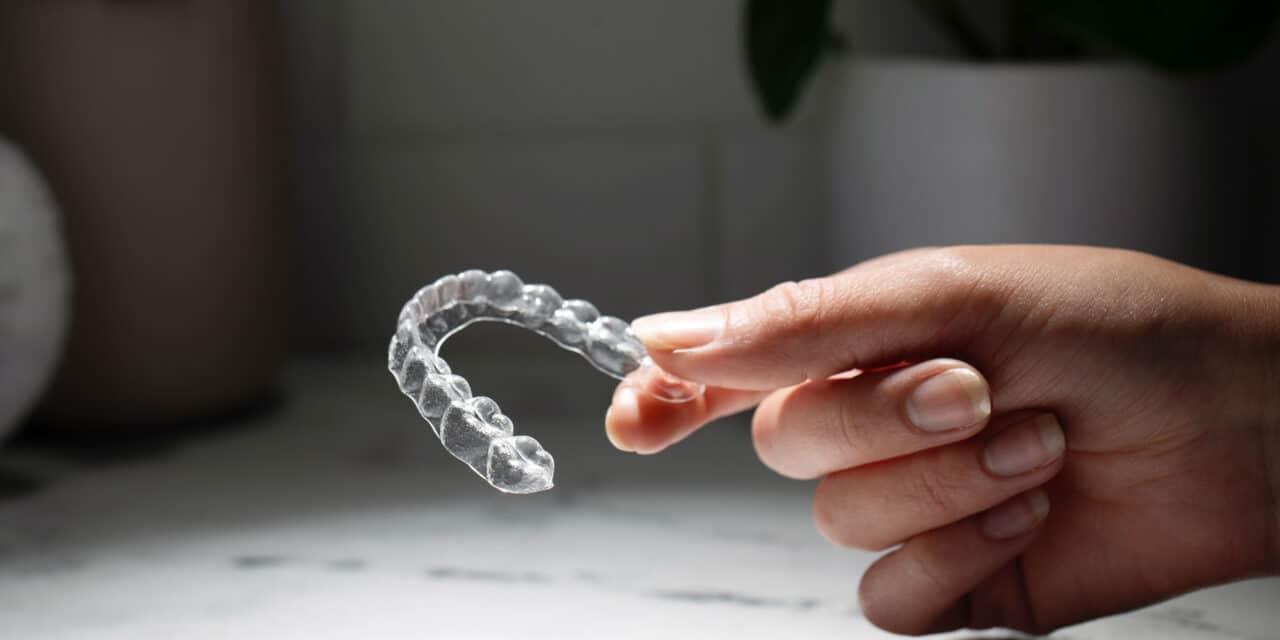
By introducing hyper-elastic polymers with an air gap, the OrthoFX AirFlex system allows orthodontists to utilize lighter forces, reduce wear time, and alleviate common clinical pain points.
By Alison Werner
For decades, the orthodontic profession has understood the biological benefits of light, continuous forces. The introduction of nickel-titanium archwires marked a major advance over stiffer stainless steel wires, revolutionizing bracket treatment and allowing clinicians to deliver lighter, more continuous forces over a wider range of activation. Yet, as the clear aligner market expanded over the last 25 years, the fundamental material science driving plastic trays largely relied on heavier forces to achieve predictable outcomes—until the introduction of OrthoFX AirFlex.
Today, OrthoFX AirFlex is prompting orthodontists to rethink how force is applied in clear aligner therapy. By shifting away from stiff, multi-layered plastics toward OrthoFX’s hyper-elastic material that incorporates a patented air gap, clinicians are finding they can achieve predictable tracking with significantly less force. This material evolution is not only changing the physical experience for the patient but is also challenging long-held industry standards regarding daily wear time, attachment protocols, and remote monitoring workflows.
A Shift in Plastic and Pressure
For Robert “Tito” Norris, DDS, who practices at Stone Oak Orthodontics in San Antonio, Texas, the realization that aligner forces could actually be delivered with gentle, light pressure came from personal experience. Wanting to undergo aligner treatment himself, he scanned his own teeth and requested setups from three different aligner companies, including OrthoFX.
When he tried on the trays from the two other aligner brands, he immediately noticed the intense pressure. Having gone through multiple rounds of orthodontics himself, he noted that the traditional aligners “felt like someone was putting a heavy stainless steel wire in my braces.” However, when he seated the OrthoFX AirFlex aligner, the experience was vastly different. “It just floated in,” Norris recalls, likening the tray to the gentle force of a beginning nickel-titanium wire.
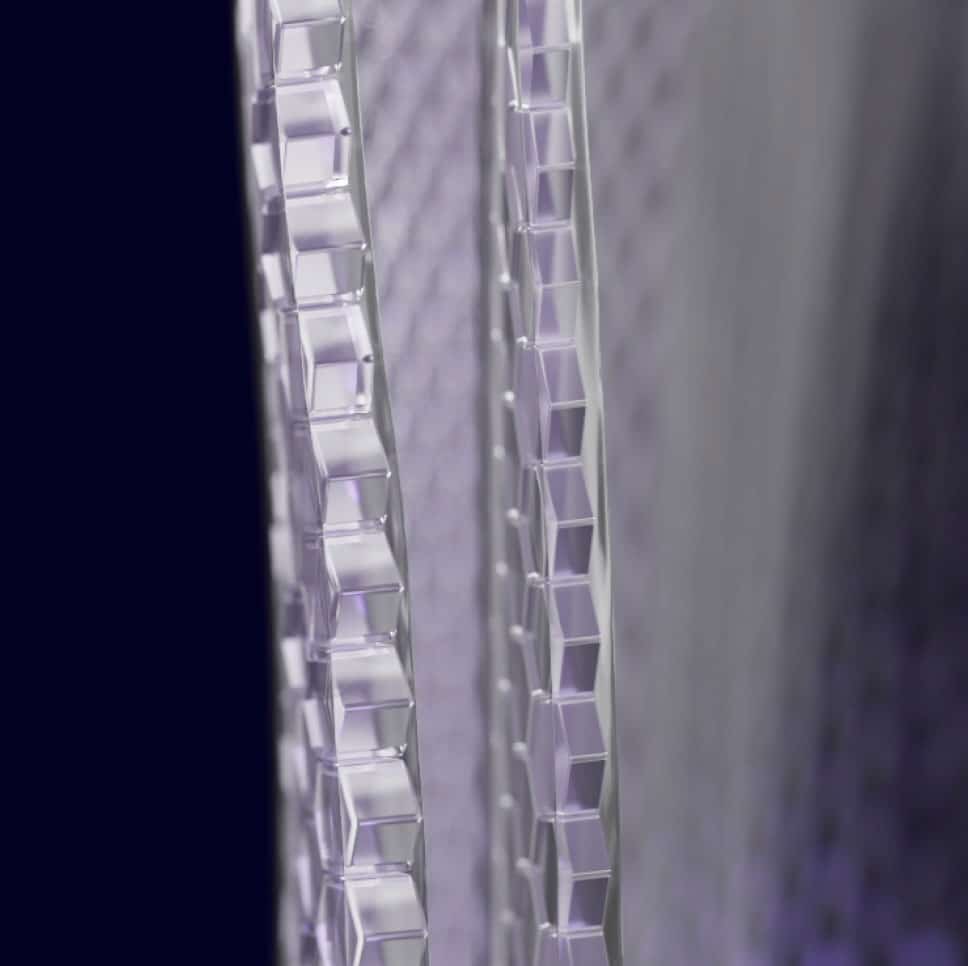
The difference in force is rooted in the architecture of the plastic itself. The technology was developed by OrthoFX co-founder and vice president of R&D Loc Phan. A polymer scientist who holds more than 200 patents and previously engineered some of the industry’s leading aligner materials, Phan designed the AirFlex aligner to utilize a specialized multi-layer process that incorporates a cushion of air between the plastic layers.
In this architecture, the inner layer is exceptionally thin, designed to adapt closely to the natural undercuts of the teeth. Between this inner layer and the traditional outer layer sits a spacer layer of air. When added together, the overall thickness is identical to a typical aligner on the market.
This air gap acts as a shock absorber. Norris compares the mechanism to a Nike Air shoe, where “you’re compressing it… and then boom, when you take a step, it basically releases that energy that is stored in the air.” In this case, the tooth compresses the air between the layers, and “that compressed air is actually what’s moving the tooth.”
Norris notes that while traditional aligners can place up to 1,500 grams of force on a tooth, AirFlex applies roughly one-eighth of that, around 200 grams. Because routine orthodontic movements—such as rotation, extrusion, intrusion, and translation—require less than 200 grams of force, he points out that traditional aligner forces are often clinical “overkill.“
C. William Dabney, DDS, of Dabney Orthodontics in Midlothian, Virginia, who has used the AirFlex system in his practice for nearly three years, agrees that heavy forces are counterproductive, noting that they create rapid force decay. In contrast, the hyper-elastic nature of the AirFlex plastic maintains a gentle, sustained force over a longer period. This biological friendliness reduces cellular inflammation, which can otherwise slow down tooth movement.
The Wear Time Debate: To Tell or Not to Tell
One of the most significant clinical departures with this material science is its impact on daily wear time. AirFlex is the only FDA-cleared aligner system designed for at least 12 hours of continuous daily wear. This shorter wear time is made possible by the material’s shape memory and recovery capabilities.
When a patient removes an aligner, teeth naturally begin to relapse. However, Norris notes that the AirFlex material possesses a wider working range and greater elasticity than conventional plastics, making the appliance highly forgiving. Dabney agrees, noting that the tray has enough elasticity and shape memory to recover multiple stages of movement if a patient falls behind, recapturing that relapse and continuing to program forward movement.
Despite the FDA clearance for 12-hour wear, Norris and Dabney are split on how to present this information to patients, highlighting different philosophies on patient compliance.
Norris chooses not to tell his patients about the 12-hour wear time capability. Instead, he maintains the traditional instruction of 20 to 22 hours. His reasoning is rooted in broader medical compliance data. He points out that only 50% of patients reliably take their cardiovascular or diabetes medications. Understanding human nature, Norris operates on the assumption that if he asks for 22 hours, he will likely get 12 hours of actual wear. By keeping the target high, he ensures patients hit the necessary biological threshold without realizing they are utilizing the plastic’s built-in leniency.
In contrast, Dabney uses the reduced wear time as a primary tool for case acceptance. He frequently encounters parents who are hesitant to invest in aligners because they fear their child will lose them at school or refuse to wear them during extracurricular activities.
When Dabney explains that the aligners do not need to be worn outside the house or during sports practice, case acceptance rates rise dramatically. This transparency removes the friction between parent and child regarding compliance. Adult professionals similarly appreciate the flexibility of attending meetings or social events without the burden of aligners.
Clinical Efficiency and Fewer Attachments
Beyond patient comfort and compliance, the structural differences in the aligner material are reshaping how doctors approach treatment planning, particularly regarding attachments.
Because the ultra-thin inner layer of the AirFlex tray adapts so closely to the natural undercuts of the teeth, the appliance inherently grips the teeth better than stiffer plastics. Consequently, Norris finds he needs roughly half the number of attachments compared to his previous aligner system.
He also values the software platform’s approach to attachment control. Rather than being locked into AI-generated attachment placements that can sometimes prescribe upwards of 20 attachments per case, the OrthoFX system allows the clinician full autonomy to move, reshape, or hide attachments without software restrictions.
“That’s one of the things that really upset me about the previous company I was working with,” Norris says. “I’m the doctor, and if I want to hide an attachment to make it a little less visible, I should have that power to do it. If I want to move an attachment to make it more effective, I should be able to have the power to do so.”
This level of control, combined with the material’s elasticity, allows doctors to push the boundaries of what they can treat with aligners, says Dabney, who treats approximately 65% to 70% of his patients with aligners. Dabney trusts the system for his most complex cases, including surgical cases and impacted cuspids. He views the aligner simply as a different force delivery mechanism than a metal bracket, requiring the same foundational understanding of biological tooth movement.
“You have to develop the confidence, but once you develop it, any case can be treated with AirFlex,” says Dabney.
When it comes to the final stages of treatment, Dabney utilizes OrthoFX’s PrecisionFinish aligners for the last three to four stages of a patient’s treatment series. These trays are engineered to maintain active pressure, countering the force decay that often occurs as teeth near their final positions. By sustaining this gentle, active force, the material ensures that final details—such as tooth heights, crown tips, and rotations—express predictably. These trays require a traditional 20-hour wear time, and by communicating to patients that these final stages represent “crunch time,” Dabney finds they are willing to push through the final detailing with high compliance.
Remote Monitoring and the Recovery Stage
The flexibility of the hyper-elastic material complements remote monitoring platforms, though it does require some minor workflow adjustments. Both Norris and Dabney utilize DentalMonitoring to oversee their aligner cases, which allows them to stretch out physical appointments while maintaining strict clinical oversight.
Norris notes one specific caveat when pairing AirFlex with AI monitoring: the air gap between the plastic layers can sometimes visually mimic an unseated aligner on a patient’s scan. To prevent the AI from unnecessarily flagging these as unseats, Norris suggests orthodontists adjust the settings within DentalMonitoring to be slightly more forgiving of the aligner’s unique visual profile.
Once that adjustment is made, the combination of remote monitoring and a highly elastic tray allows for extended intervals between office visits. Dabney, who previously saw aligner patients every six to eight weeks, now routinely extends intervals to 12 to 18 weeks. “With AirFlex, it’s active that long,” he says. Because he trusts the appliance to maintain its force and recover from minor compliance lapses, his primary focus shifts to verifying that the patient is fulfilling their end of the bargain via weekly remote scans.
Dabney also leverages the integration between OrthoFX and DentalMonitoring to generate STL files directly from the patient’s remote scans. “If I see something that needs a course correction, then I can get good pictures taken by the patient,” he explains. He can generate a file from those remote scans and send it directly to the manufacturer to order new trays. “And sometimes, if there are no additional attachments, they actually get mailed to the patient,” entirely bypassing an in-office visit, he says.
Alleviating Practice Pain Points
Ultimately, the integration of adaptable materials, fewer attachments, and remote oversight addresses some of the most persistent bottlenecks in an orthodontic practice.
According to Norris, the primary pain points that clog up a daily schedule are ill-fitting aligners, case refinements, and the labor-intensive process of placing and removing attachments. “And anytime you can reduce those pain points, well, I mean you’re ahead of the game,” he says. By utilizing a system that requires fewer attachments and tracks more predictably, he has seen his refinement rate drop by roughly half.
Dabney reports a similar impact on his clinic floor, noting that rescans have been cut by at least a third, and overall in-office visits per patient are down 30% to 40%. This reduction in chair time increases the return on investment for each case while simultaneously providing families with the convenience they increasingly demand.
The Future of Force Delivery
Beyond the business metrics and daily scheduling efficiencies, the evolution of force delivery represents a deeper clinical win. For Norris, transitioning to gentler, more continuous pressure is ultimately a matter of basic clinical ethics. “We all know light forces are better for the teeth,” Norris says. “Why go through more discomfort if you can get the job done with less discomfort?”
For Dabney, embracing these modern material innovations is also what keeps the profession exciting and sustainable late into his career. “At age 72 and a half, if I was doing things the way I used to, I’d be burned out, and I would have quit 10 years ago,” Dabney says. “The technology keeps getting better and better. The treatment gets better. And it’s less stress on the doctor, and less stress on the practice.”
By pairing hyper-elastic material science with clinical control and remote oversight, orthodontists are finding they can deliver the precise results they expect while providing a vastly improved experience for patients and practitioners alike. In clear aligner therapy, the era of heavy force is giving way to a lighter, more predictable future. OP
Photos: OrthoFX
Alison Werner is chief editor of Orthodontic Products.