The next phase of digital dentistry is less about tools and more about workflows—integrating systems to streamline care, enhance collaboration, and improve patient communication.
By Robert Befidi
Dentistry is a global, deeply human experience. No matter where you go, the fundamentals are the same: patients want care they can trust, delivered by clinicians who can diagnose with confidence and communicate with clarity.
What’s changing, fast, is how that care is delivered.
Around the world, dentistry is moving from isolated tools and siloed workflows, toward integrated digital systems that bring hardware, software, images, scans, planning, treatment, and communication into a more coherent clinical experience. Adoption varies by region, infrastructure, and economics. However, the direction is consistent: built on advanced imaging, more integrated, more data driven, more patient centered.
In conversations with clinicians, DSOs, labs, educators, and partners around the world, I’ve noticed a set of shared signals, not “trends” in the marketing sense but shifts in how dentistry is being practiced and how value is being created. Here are five that stand out.
1. The competitive advantage is shifting from devices to workflows and ecosystems
For years, innovation in dentistry, and more specifically orthodontics, was often measured one device at a time. A practice upgraded imaging. Then scanning. Then added a planning tool. Each purchase solved a point problem, but the day-to-day experience still depended on manual workarounds: exporting files, reentering patient data, repeating steps, or relying on one “power user” to keep everything running.
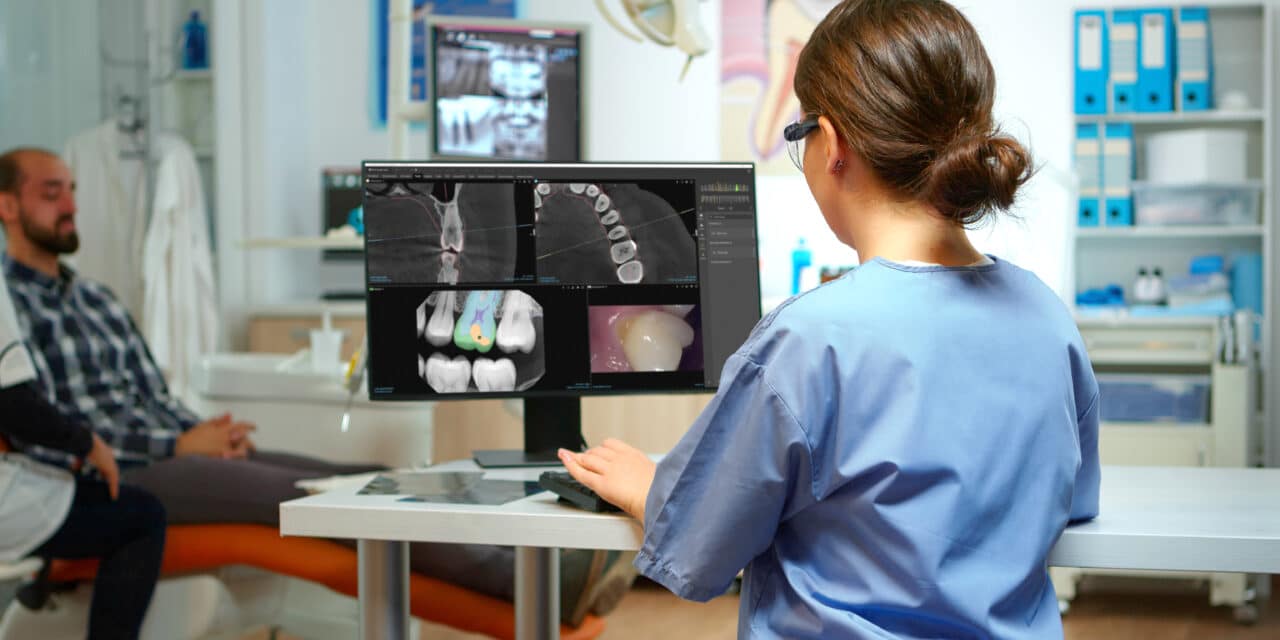
The next phase is different. The winners will be those who design hardware, software workflows, and integrated ecosystems that reduce friction across the care journey: capture → diagnose → plan → collaborate → explain → treat → follow-up. When those steps connect naturally, teams move faster, errors drop, outcomes improve, and patients experience a practice that feels modern and coordinated.
The question that I am starting to hear more often now isn’t “what device should I buy?” It’s “How do I build a system that my whole team can run, consistently, at scale?”
2. Interoperability is becoming the real “standard of care”
Global dentistry is increasingly collaborative: specialists, general practitioners, labs, and DSOs coordinating care across locations, time zones, and technology stacks.
That reality makes a single point clear: closed systems slow down care. They create hidden costs in conversion, compatibility, and communication.
Interoperability isn’t a technical preference anymore, it’s becoming a clinical and operational requirement. The practices and organizations that scale well tend to prioritize:
- easier movement of data across partners,
- fewer handoffs that depend on memory or manual steps, and
- simpler collaboration that preserves context.
In other words, the future belongs to solutions that connect people, not just files.
3. AI is moving from “impressive” to useful
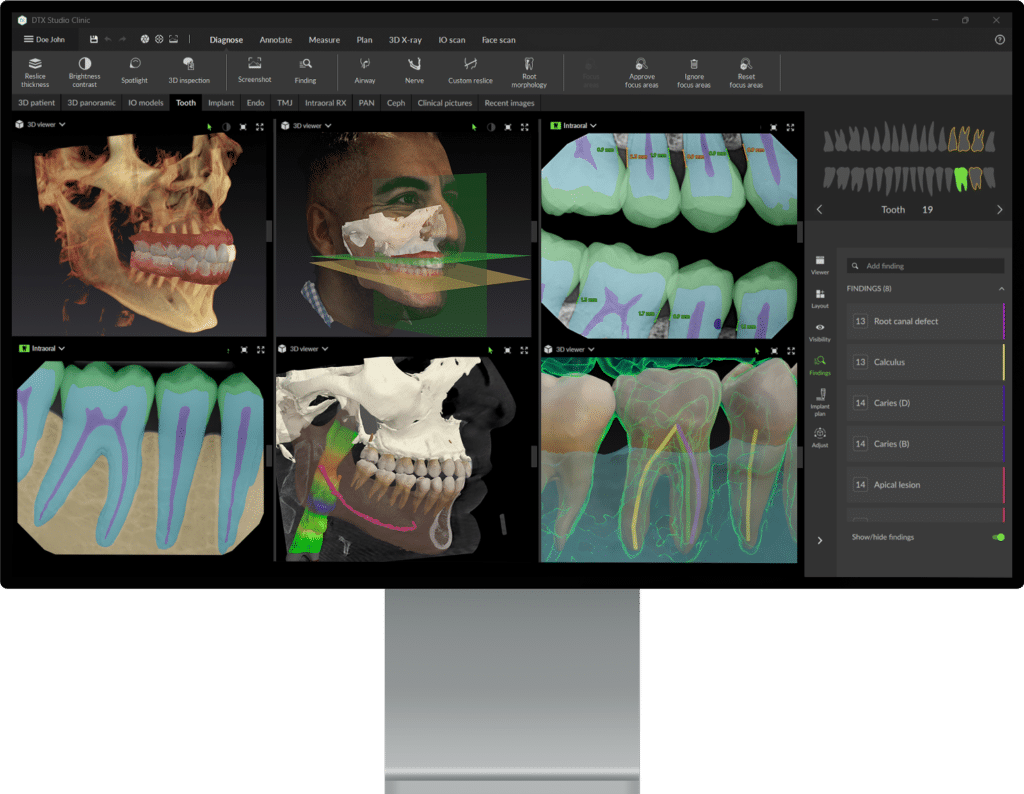
AI is discussed everywhere, but adoption becomes real only when it reduces everyday friction, not when it adds complexity.
The most meaningful use cases I see globally are not about replacing clinicians. They are about supporting them:
- highlighting what deserves attention,
- helping teams work with greater efficiency and consistency, and
- making patient communication clearer and more visual.
The bar for AI in dentistry is rising quickly. Clinicians don’t want novelty; they want trust. They want tools that are transparent, easy to interpret, and integrated into familiar workflows. And they want governance that ensures AI improves care, rather than creating new uncertainty.
The long-term opportunity isn’t “AI everywhere.” It’s AI where it measurably improves administrative and clinical outcomes, time, clarity, or confidence.
4. Patient understanding is becoming a differentiator, not an afterthought
Across every market, patient expectations are changing. People increasingly expect healthcare to be:
- more visual,
- more understandable, and
- more personalized.
In dentistry, where fear and uncertainty can be significant barriers to treatment acceptance, clarity matters. The practices that stand out are the ones that translate clinical complexity into a story a patient can follow.
This is where digital dentistry becomes more than technology. When clinical data can be organized, visualized, and communicated clearly, it strengthens trust, and trust improves outcomes. Patients who understand their situation and plan are more likely to commit, comply, and return.
The best technology doesn’t just make the practice faster. It makes the care more human.
5. The next wave of transformation will be led by organizations that invest in people
It’s tempting to frame digital dentistry as a technology story. But globally, the most important constraint I see is not innovation, it’s adoption capacity.
Practices are balancing staffing challenges, training time, operational complexity, and patient throughput. DSOs are managing standardization at scale. Labs are evolving workflows and onboarding new types of collaboration.
In that environment, transformation will be led by organizations that treat digital adoption as a capability build, not a product rollout:
- training that’s practical and continuous,
- hardware, software workflows, and ecosystems designed for the whole team (not just experts),
- and leadership that makes space for change without disrupting care.
Technology doesn’t transform dentistry. People do, when the system supports them.
What I believe comes next
If I had to summarize what I’m seeing globally in one line, it would be this:
The future of dentistry, and the orthodontic specialty, will be shaped less by the “best tool” and more by the best hardware, software workflows, and ecosystem, one that improves confidence, productivity, and simplicity for the whole care team.
Connected workflows, open collaboration, practical AI, and clearer patient communication aren’t separate ideas, they’re converging into a new operating model for dentistry.And the most encouraging part is that this model isn’t about making dentistry more technical. It’s about making dentistry more predictable, consistent, and patient centered, everywhere. OP
All photos courtesy of Dexis
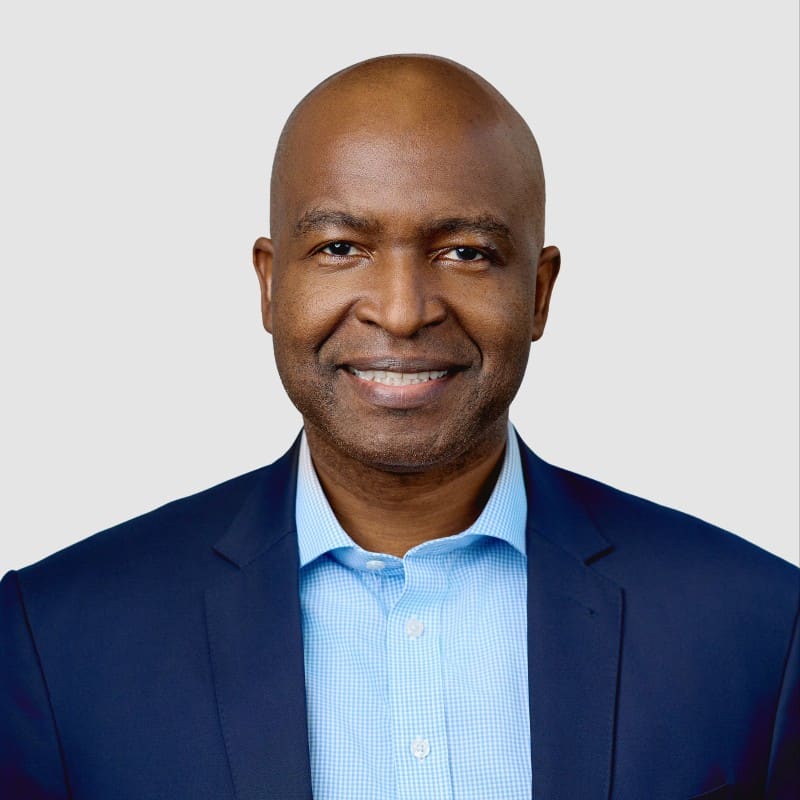
Robert Befidi, Jr, is a global senior executive with more than 25 years of leadership experience. He serves as president of DEXIS at Envista Holdings, where he leads category-defining dental imaging and diagnostic technologies that shape the future of digital dentistry.