From tools that support treatment efficiency and patient comfort to digital hygiene and compliance aids, today’s at-home technologies help patients stay on track between visits and keep treatment closely aligned with the plan.
By Jessie Gainor
What happens at home can shape orthodontic treatment outcomes just as much as what happens in the clinic. As treatment becomes more digital and more dependent on patient participation, orthodontists have a number of at-home technologies they can recommend to support comfort, efficiency, hygiene, and compliance. These tools extend clinical care into daily routines, helping patients stay on track between visits and reducing obstacles that can slow treatment progress.
Here’s a look at the core categories of at-home technology influencing orthodontic outcomes today.
Technologies That Support Treatment Efficiency and Comfort
One category of at-home devices centers on light- and energy-based technologies that patients can use to complement their orthodontic care. Some of these tools are designed to support biological processes involved in tooth movement, while others use energy-based approaches to provide short-term relief from orthodontic discomfort. Together, they offer noninvasive options that fit naturally into a daily routine expanding the ways patients can engage with their treatment between visits.
Devices based on photobiomodulation (PBM) fall into the first group. These tools often use near-infrared wavelengths to support the cellular activity involved in orthodontic tooth movement and can be used with both aligners and braces since their effects act on biology rather than the appliance itself. Although orthodontists vary in how they incorporate PBM into their workflows, the category reflects growing interest in adjunctive technologies that improve predictability of planned movements and support efficient progress through digital treatment protocols. Among aligner patients, some report smoother, more predictable stage changes and, in certain cases, quicker progression without loss of predictability.
A second category includes handheld neuromodulation devices designed to deliver controlled pulses of energy that help ease soreness that can occur early in treatment or after adjustments. These tools can be applied chairside to reduce sensitivity during procedures such as debonding, appliance placement, or managing minor dental trauma, and they can be used with any type of orthodontic appliance. They also give patients a noninvasive method for managing day-to-day discomfort at home. For many patients, having a tool they can use outside the clinic provides immediate reassurance—reducing anxiety about discomfort and giving them a greater sense of control over their treatment between visits.
High-frequency vibration tools make up a third group. Primarily used in aligner therapy, these devices are designed to help seat trays more fully, to support predictable stage progression and to reduce the likelihood of tracking issues. While their mechanism is mechanical rather than therapeutic, many patients report smoother transitions when starting a new aligner. For practices, this technology offers a way to reduce refinements and maintain treatment efficiency.
Technologies That Support Oral Hygiene
If there is one area where at-home habits can make or break treatment outcomes, it’s oral hygiene. White spot lesions, gingival inflammation, and plaque accumulation around brackets or attachments remain among the most preventable complications in orthodontics—and digital hygiene tools are helping patients take a more active role in preventing them.
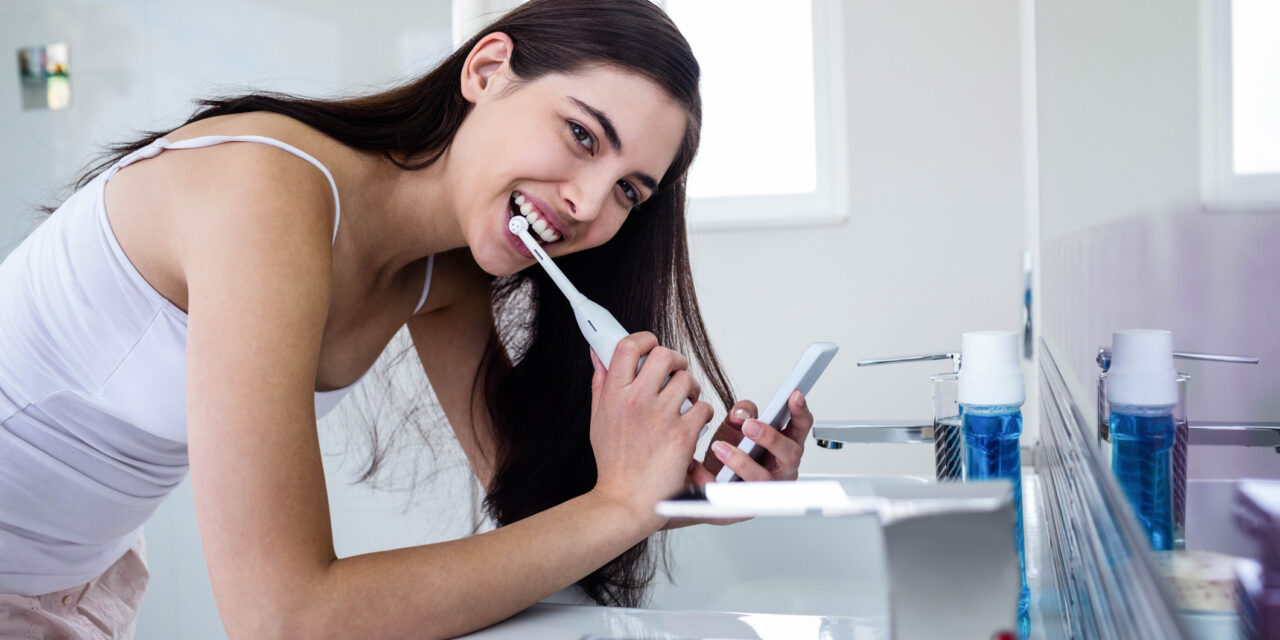
Smart electric toothbrushes, equipped with sensors and app-based coaching, guide patients toward better brushing technique by measuring pressure, duration, and coverage. For bracket patients, this kind of real-time feedback can reduce the risk of decalcification around vulnerable areas. Aligner patients benefit as well, as a cleaner oral environment supports healthier tissue response and more predictable tooth movement.
Water flossers and irrigators also continue to play an essential role in fixed appliance care. Their ability to flush around brackets, bands, and wires makes them easier for many patients—particulary adolescents—to use consistently compared to string floss. As a result, orthodontists often include them in starter kits as a practical way to get ahead of hygiene challenges before they escalate.
Technologies That Support Compliance
Digital tools are also helping support treatment between visits—some by giving orthodontists insight into progress, others by helping patients stay consistent with the daily habits that drive predictable outcomes.
Remote monitoring has become a staple of at-home orthodontic care. Using smartphone attachments and/or guided imaging apps, patients can capture consistent intraoral photos from home, giving orthodontists a way to assess aligner fit, hygiene status, and appliance concerns between scheduled visits. While not a replacement for in-person evaluations, remote monitoring provides earlier visibility into potential issues and helps patients adjust their habits or technique before small problems turn into setbacks.
Digital habit-support tools are another key component of at-home orthodontic technology. Aligner reminder apps, wear-time trackers, and other behavioral prompts help patients build consistency in the routines that matter most—particularly the 20 to 22 hours of daily wear required for predictable aligner treatment. These tools can send scheduled alerts, track progress over time, or offer simple reinforcement to keep patients accountable between visits. For younger users especially, having a structured reminder system can make a difference in adherence and overall treatment success.
As orthodontic care evolves, the tools patients use at home are becoming increasingly influential. By improving comfort, supporting hygiene, reinforcing daily habits, and offering earlier insight into treatment progress, these technologies help keep treatment on track and aligned with the digital plan. When thoughtfully integrated, they enhance both the patient experience and the predictability of outcomes. OP
Photo: ID 66158964 © Wavebreakmedia Ltd | Dreamstime.com
Jessie Gainor is a contributing writer for Orthodontic Products.