Dr Scott Schwartz purchased the IP of a sunsetted company to create a new, provider-focused lingual system designed for simplicity and efficiency.
By Alison Werner
In April 2025, when the lingual orthodontic company InBrace suddenly ceased operations, orthodontists using the system were left with unfinished cases and uncertainty. Scott Schwartz, DDS, a Long Island-based orthodontist who treated roughly 20% of his practice with the system, was just as shocked as his colleagues. But rather than abandon the technology, he decided to acquire it.
Schwartz purchased the intellectual property and assets, relocated the equipment to a new facility in Fountain Valley, California, and launched a completely new company: InSmile Braces.
“We are completely separate from the previous company. The biggest change is the company is now led by a practicing orthodontist,” says Schwartz, who now serves as the company’s CEO. “As the largest provider of the technology along with feedback from my fellow colleagues, it allows me to continually refine and improve the product clinically, benefiting both providers and patients.”
Simplifying Modern Lingual
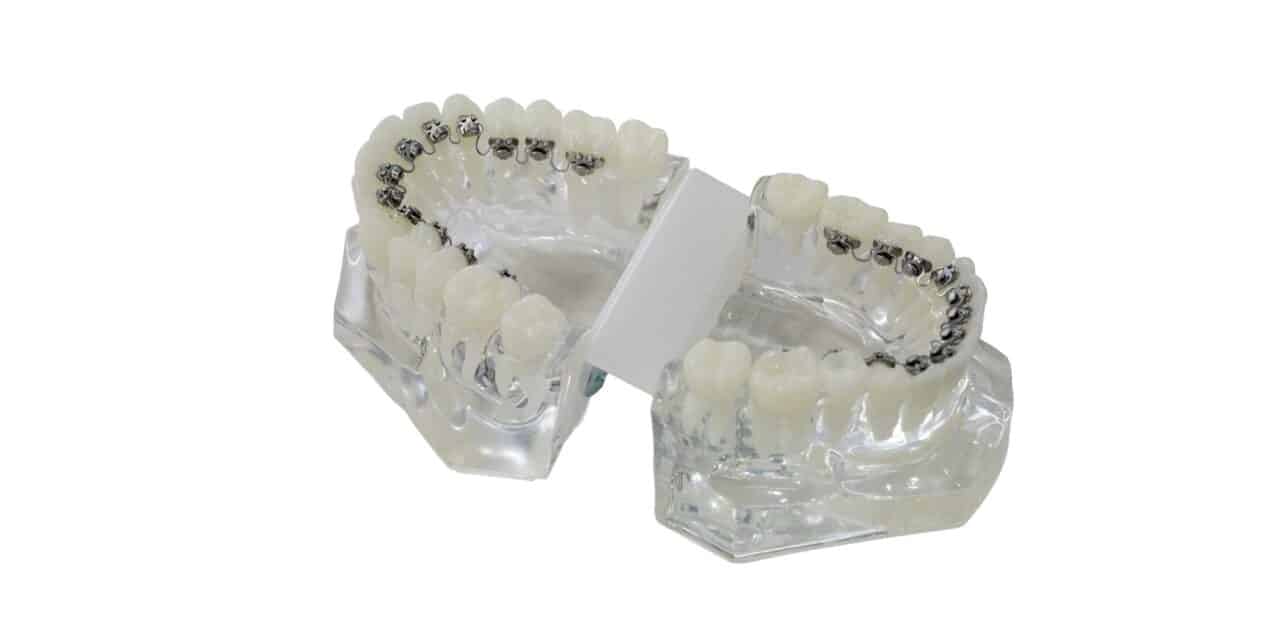
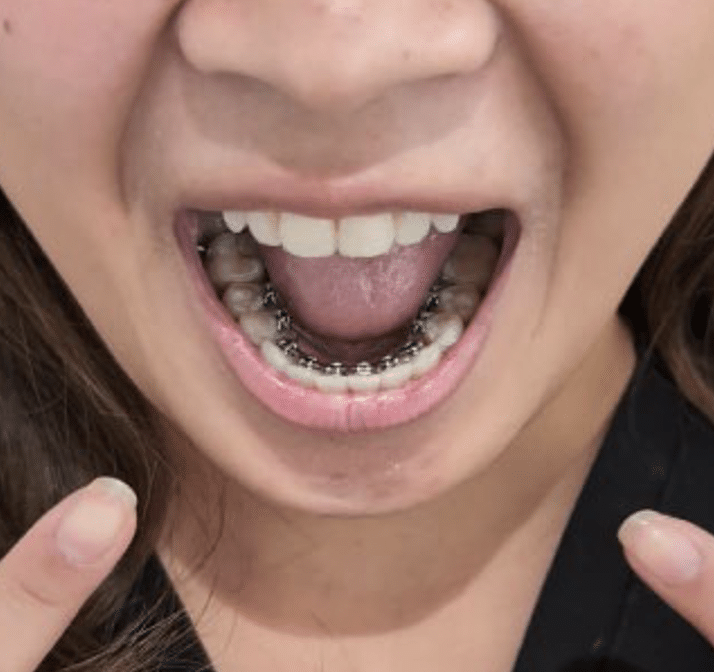
A major barrier to lingual braces has traditionally been clinical complexity. Schwartz’s goal with InSmile Braces is to strip away that difficulty and create a provider-focused experience. The system integrates a digital workflow and indirect bonding trays for precise bracket placement, allowing the orthodontist to essentially hand off the heavy lifting to the wire.
“If you learn how to put the wire in and take the wire out, that’s basically your learning curve,” Schwartz says.
This streamlined process begins during the initial consultation, where practitioners gather standard diagnostic records, including digital photographs, a panoramic X-ray, and an intraoral scan. These digital assets are uploaded to the digital treatment planning portal to construct a virtual Smile Design. This customized plan dictates precise bracket placement and pre-programs the Smartwire sequence to execute the orthodontist’s specific treatment mechanics. Orthodontists then receive the brackets, Smartwires, and indirect bonding trays.
To keep the clinical workflow simple, the system requires only three instruments: a standard lingual Weingart, a custom smart wire plier to assist with wire removal, and an engager to insert the wire into the brackets.
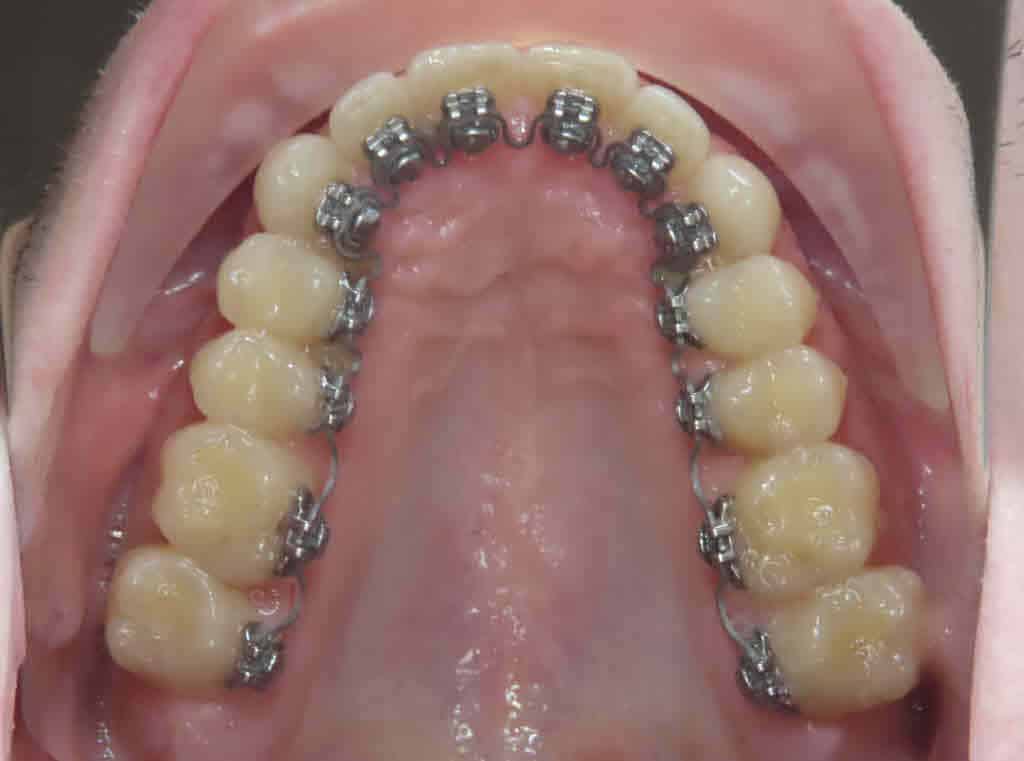
The mechanics are driven by the system’s patented Smartwire—a shape-memory wire programmed to provide a continuous force pattern throughout treatment. All necessary tip, torque, rotations, and opening or closing spaces are embedded directly into the wire to move teeth from malocclusion to the digitally approved setup.
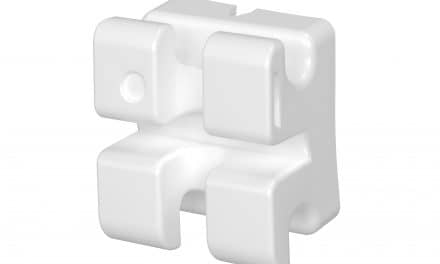
The system also utilizes an Interproximal (IP) Loop to provide gentle, continuous force contoured for hygiene, alongside patented self-ligating brackets. The Smartwire portion known as the Locket, ensures precision and eliminates slot play for consistent mechanics. Ultimately, the bracket acts primarily as a holder, while the Smartwire expresses the movements.
Reducing Chair Time and Compliance Issues
Because the wire is programmed to do the work, patients only need to be seen for adjustments every 10 to 16 weeks. Most cases require an average of two sets of wires to complete, utilizing a straightforward sequential system.
“The simplicity is seeing the patient less and letting the wire do more,” Schwartz says.
This extended appointment interval, combined with the lack of patient compliance required—a common hurdle with clear aligners—makes the system highly efficient for practices and appealing to patients. Schwartz notes that in his own practice, adults choose the lingual option over aligners 85% of the time, and it has become increasingly popular among teenagers who want an invisible option but struggle with aligner compliance.
The 4-to-4 Solution
To help practitioners ease into the system, InSmile recently launched a “4-to-4” product, which covers the first bicuspid to first bicuspid. Designed to treat patients in under six months with just two wires and minimal visits, the option is ideal for minor crowding, spacing, or patients who have experienced aligner fatigue or relapse.
Schwartz encourages doctors who are gun-shy about lingual systems to start here. Because the treatment requires only about an hour of total chair time from start to finish, it quickly demonstrates the system’s ease of use.
“I’m not saying treat everybody,” Schwartz says. “I’m saying just have it as a treatment option. It’s hard to believe you could just put a wire in and the patient could come back and their teeth are straighter without you doing any adjustments, but that really is our concept.”
A Sustainable Business Model
Schwartz is acutely aware of the apprehension providers might feel after the previous company’s abrupt closure. To counter this, he has built InSmile Braces on a bootstrapped, lean business model designed for long-term stability.
“I created a business model that is sustainable. Very different than what was previously done,” Schwartz says. “We are running this company very lean and very efficient, and so the worry that we’re not going to be around is not even in my mind.”
By focusing on operational efficiency, the company is currently offering the product at a lower price point than its predecessor, with plans to introduce tiered pricing as the user base grows.
Looking Ahead
While InSmile Braces is currently focused on the U.S. market, Schwartz says the company has seen tremendous international interest and plans to expand globally by early 2027.
On the clinical side, the company is actively engaged in research and development. Upcoming improvements include a new wire finish designed for increased strength—allowing the wire to work even longer—and operational upgrades aimed at reducing custom case turnaround times from three and a half weeks to under two weeks.
For Schwartz, the ultimate goal is to make InSmile Braces a standard, stress-free option in orthodontic clinics everywhere.
“We want the provider to understand that this is a company, built by orthodontists, led by orthodontists, and created for the future of orthodontics.” OP
Photos: InSmile Braces
Alison Werner is chief editor of Orthodontic Products.