The company distributed funding to 12 universities worldwide as part of its annual program to support clinical and dental research.
Align Technology has awarded $300,000 in research grants to 12 universities globally under its 15th Annual Research Award Program.
“Research and clinical evidence continue to be at the core of advancing science, which furthers innovation and clinical treatments,” says Dr Mitra Derakhshan, executive vice president, chief clinical officer, global treatment planning and clinical services at Align, in a release. “We remain committed to supporting university research worldwide and the meaningful impact it drives in shaping the future of the orthodontic and dental profession.”
Global Grant Recipients
The 2026 awards were distributed across the Americas, Europe, and the Asia Pacific regions.
In the Americas, grants were awarded to primary investigators Dr Isil Aras and Dr Sarah Hisham Abu Arqub at the University of Florida, Dr Feras Al Khatib at Southern Illinois University, and Dr Navdeep Bhusri at the University of Alabama.
European recipients include Dr Iván Nieto Sánchez at Francisco de Vitoria University (Spain), Dr Babak Sayahpour at Johann Wolfgang Goethe University (Germany), Dr Luca Levrini at the University of Insubria (Italy), and Dr Andrea Boggio at Vita-Salute San Raffaele University (Italy).
In the Asia Pacific region, funding was awarded to Dr Sanjie Yeweng at Wuhan University (China), Dr Juan Li at Sichuan University (China), Dr Daniel De-Shing Chen at Taipei Medical University (Taiwan), and Dr Hui Chen at Shandong University (China).
Funded Research Topics
The funded studies cover various topics within orthodontics and dentistry. Areas of focus include apical root resorption during anterior retraction, early and late restoration of maxillary laterals during aligner treatment, and an evaluation of the Invisalign Palatal Expander compared to traditional expanders in mixed dentition.
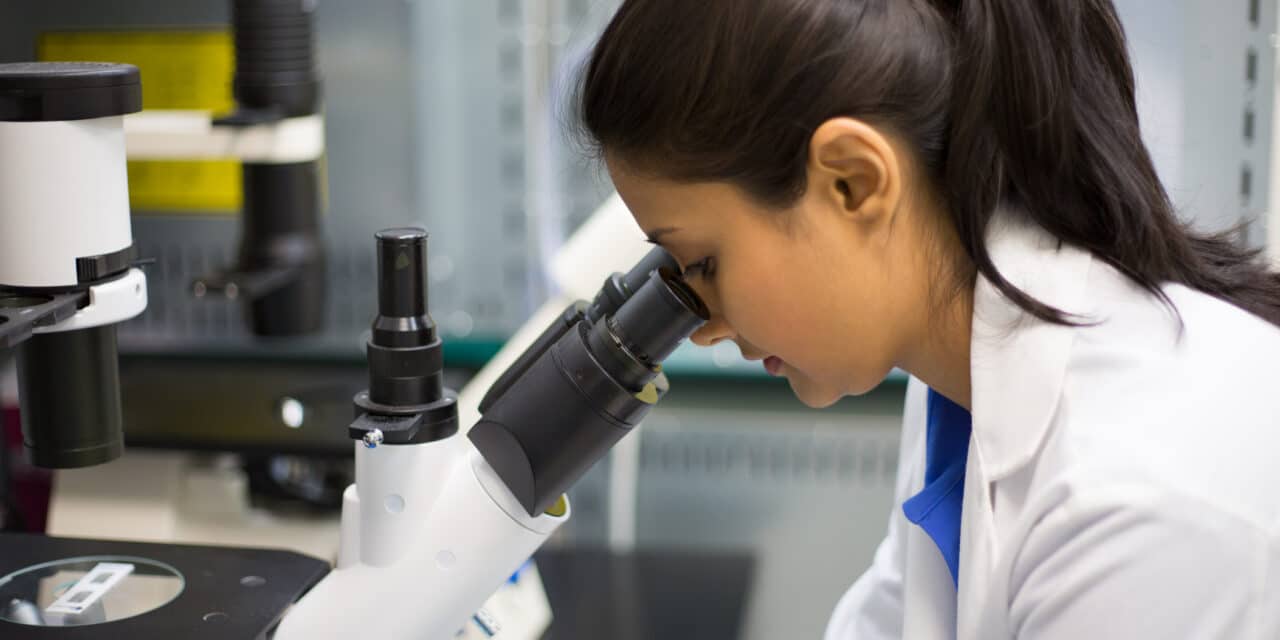
Additional research will examine white spot lesion activity between fixed appliances and aligners, the stability of alignment in retention using various protocols, anterior tooth movement with lingual versus buccal attachments, and the characteristics of enamel during aligner treatment using scanning electron and optical microscopy.
“The scope of research supported through this program highlights the important role of scientific inquiry in advancing dentistry,” says John Morton, vice president, technical fellow at Align, in a release. “We are proud to support investigators whose work can deepen clinical understanding, inform treatment approaches, and ultimately improve patient care worldwide.”
Applications for the awards were reviewed and prioritized in a blind evaluation by an independent academic committee, with final recipients determined by Align Technology.
Photo: ID 42727997 © Nanditha Rao | Dreamstime.com