
Maximizing productivity can create hidden operational risks when practices have little capacity to absorb variability and unexpected challenges.
By Siegfried A. Naumann, DDS, MS
A common phrase I hear doctors say in discussing orthodontic practice management is, “We just need to become more efficient.”
At first glance, this goal appears clearly positive and logical because efficiency reflects organization, discipline, productivity, and responsible use of time and resources. However, making efficiency the ultimate goal can result in unintended consequences.
Let me be clear: Efficiency is both important and necessary. In fact, earlier in my career, I spent a lot of time and energy measuring efficiency in the orthodontic practice, and many of those insights contributed to a larger model we use today to evaluate practice health. I continue to believe efficiency is essential.
But there are unintended consequences to focusing on efficiency.
Over time, I observed a pattern in my own practice and in other highly optimized offices that seek ultimate efficiency: schedules became more compressed, chair utilization increased, and appointment intervals were shortened to make room for patients and boost productivity. While these system changes appeared efficient, the practice flow in these offices felt unexpectedly fragile despite strong production numbers.
These highly efficient practices were often disrupted by a single emergency or an unexpected staff absence. Additionally, when a procedure took longer than expected, the ripples of that variability were felt throughout the rest of the day and required major modifications in order to maintain workflow. Though these offices were productive, resilience continued to decline.
We quickly learned this important principle: Efficiency and resilience are not the same thing.
That distinction matters more than many orthodontists realize. Without structural balance, efforts to improve efficiency can create compression instead of genuine strength, leading to new and unanticipated challenges.
When Optimization Becomes Compression
Most orthodontic practices do not become fragile intentionally. In fact, fragility commonly results from decisions that initially seem prudent and responsible.
As demand grows, tightening the schedule, shortening appointment intervals, and keeping every staff member busy throughout the day may seem like efficient steps, since these changes increase productivity, at least in the short term. However, over time, these incremental changes alter the practice’s structure. What once operated with a healthy margin becomes dependent on high precision. Variability is harder to absorb, and the practice operates with little room for recovery or adaptation.
At this stage, efficiency may still be apparent, although resilience is quietly eroding.
The Role of Slack
One of the most misunderstood concepts in operational systems is the idea of slack.
In many professional environments, slack is seen as a waste of time or as an inefficiency. Structurally, however, slack serves a different purpose. It is the practice’s protective capacity: the margin that allows a system to absorb variability without becoming unstable.
In the orthodontic office, this margin can be achieved in several ways, such as small schedule buffers throughout the day, flexible staffing (ie, cross-training), or protected recovery time scheduled in the workday. If productivity becomes the main focus, these margins may seem inefficient. But if they are well-structured, they actually strengthen the practice and preserve lasting stability. Without this structural margin, even minor disruptions can spread throughout the system
Even with excellent scheduling systems and scripts, emergency patients show up unannounced. Practices with well-trained assistants still have bracket failures during routine adjustments. In every office that we have worked with, there are still patients who arrive late to their appointments. These common variations in the day’s plan are to be expected, but in compressed systems, variability quickly cascades and creates instability.
Resilient systems absorb disruptions, while compressed systems amplify them. Understanding margin highlights this difference and helps the orthodontist plan for the variability that is sure to show itself during any day in practice.
Rather than asking, “How tightly can we run the schedule?” effective leaders ask, “How resilient is the system under variability?” This shift may seem subtle, but its implications create meaningful differences in the feel and flow of a practice.
Siegfried A. Naumann, DDS, MS
Reframing Efficiency
Of course, none of this suggests that orthodontic practices should become careless with efficiency. Discipline, organization, and operational clarity remain critical elements of strong practice management and leadership. But keep in mind that healthy systems are not built for maximum extraction, but for sustainable performance.
This distinction changes the questions doctors and office managers ask. Rather than asking, “How tightly can we run the schedule?” effective leaders ask, “How resilient is the system under variability?” This shift may seem subtle, but its implications create meaningful differences in the feel and flow of a practice.
Understanding this principle changes our scheduling philosophy, influences our hiring decisions, alters our expectations about the pace in our office, and shapes how growth is evaluated. Most importantly, it affects the daily experience for the doctor, the team, and the patient.
Key takeaway: High productivity does not ensure structural stability. The primary goal is to build systems that sustain performance without reducing resilience. Adding wise structural buffers will make significant differences in high-producing practices.
Orthodontics is demanding enough without requiring teams and doctors to work under constant compression. Strong and healthy practices are built on resilience: the ability to absorb variability, retain stability, and continue functioning well under pressure.
Remember: The strongest systems create and protect margin, remaining steady and resilient as they grow instead of simply maximizing production. OP
Photo courtesy of Dr Siegfried A. Naumann.
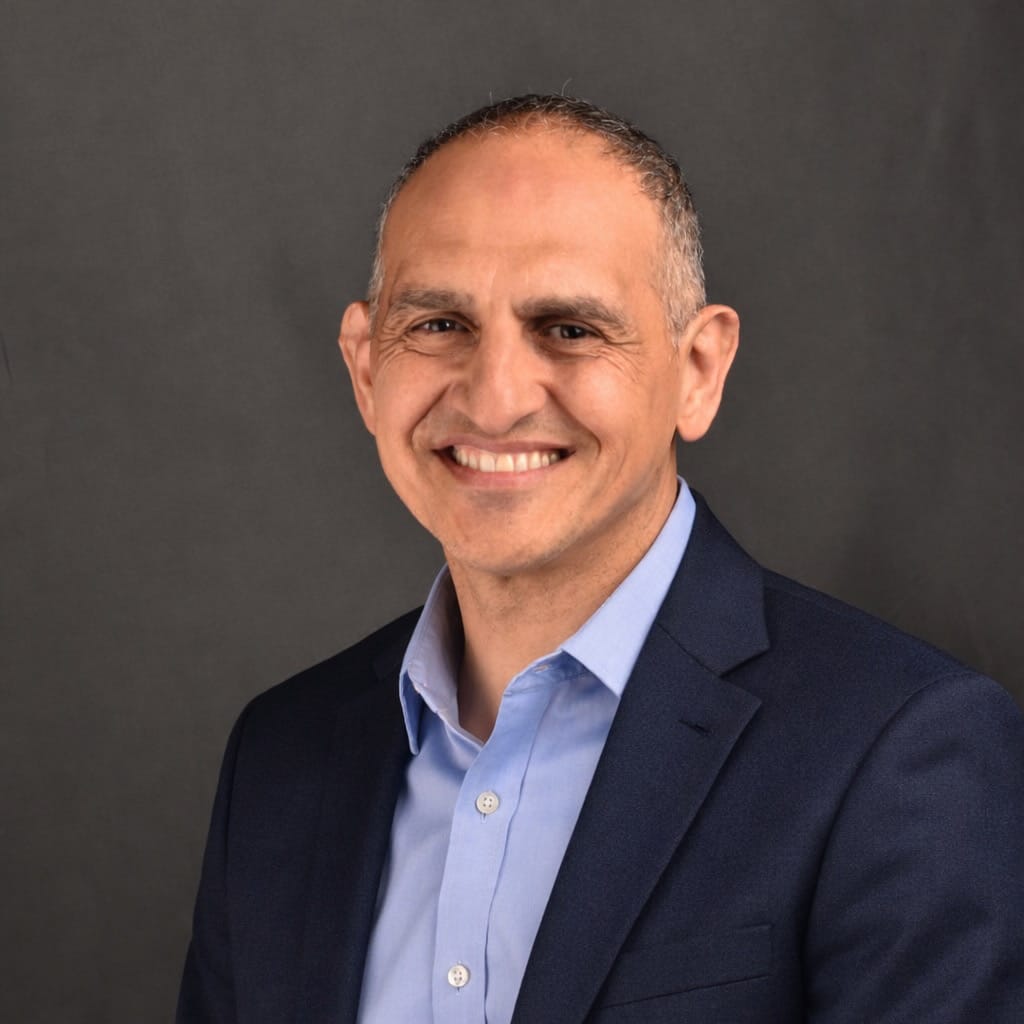
Siegfried A. Naumann, DDS, MS, is an orthodontist and practice systems consultant based in Gig Harbor, Wash. He is a co-founder of Ortho Instinct and developer of the Practice Health Score framework, which focuses on aligning financial, operational, and clinical systems for long-term sustainability. After 16 years of private orthodontic practice, Naumann became a Sloan Fellow at the MIT Sloan School of Management and earned an MBA in Innovation and Global Leadership. He lectures on systems-based leadership in orthodontics and can be reached at [email protected]. Learn more at orthoinstinct.com.